






Rubbish access problems on Fulham Palace Road and fixes
Posted on 22/10/2026
Rubbish access problems on Fulham Palace Road can turn a simple collection into a small logistical headache. Tight pavements, busy traffic, awkward frontages, parking pressure, and shared entrances all make waste removal more complicated than it looks from the outside. If you have ever stood outside with bags, a bulky sofa, or builder's rubble and thought, "right, where exactly is this meant to go?", you are in the right place.
This guide explains the most common access issues on Fulham Palace Road, why they matter, and the fixes that usually work best in real life. We will look at practical loading arrangements, safer collection methods, ways to avoid delays or complaints, and how to choose the right approach for homes, shops, offices, and refurbishment jobs. A few small changes often make the difference between a smooth pickup and a day of faffing about.
Why rubbish access problems on Fulham Palace Road and fixes matters
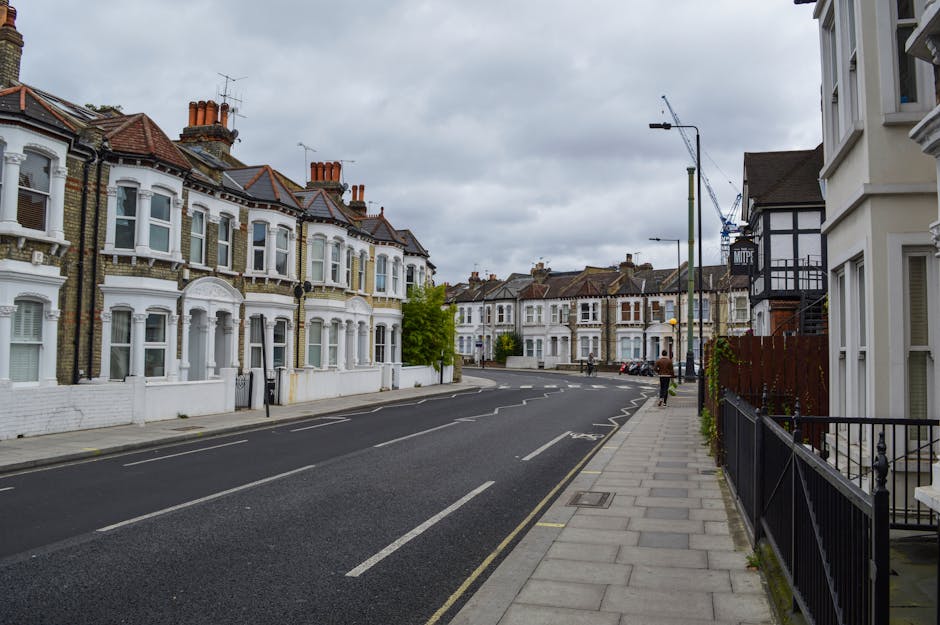
Access sounds like a boring detail until it stops the job. On a road like Fulham Palace Road, where movement is constant and space is at a premium, rubbish collections can run into problems very quickly. A vehicle may not be able to stop close enough. A crew may not have safe line-of-sight to a loading point. Residents may not want bags left on the pavement. And if waste sits outside too long, it can become an obstruction, an eyesore, or a complaint from neighbours. No one wants that.
The real issue is that waste is rarely just "rubbish". It can be bulky furniture, renovation debris, garden cuttings, office clear-outs, or mixed household items that need sorting. Each type has different handling needs. In busy parts of London, poor access can also push up labour time, make lifting riskier, and reduce the number of items that can be moved in one visit. That is why solving access properly matters for both cost and convenience.
For local residents, landlords, and businesses, the knock-on effects are pretty familiar: missed collection windows, extra handling fees, awkward neighbour conversations, and sometimes avoidable repeat visits. If you are managing a move, a refurb, or a stock clearance, getting the access side right early makes the whole job calmer. To be fair, that calm is worth a lot.
If you want a broader view of the services that can support different waste situations, the services overview is a useful starting point, and rubbish removal in Hammersmith gives a practical sense of what day-to-day collections typically involve.
Expert takeaway: Most rubbish access problems are not really waste problems. They are route, timing, and handling problems. Fix those three things first, and the collection usually becomes much easier.
How rubbish access problems on Fulham Palace Road and fixes works
The process is straightforward once you break it into parts. First, you identify what is physically blocking or complicating the collection. Then you decide whether the waste can be moved to a better point, whether the vehicle can safely stop nearby, or whether a different method is needed altogether. That might sound obvious, but many collections fail because people assume the van should somehow "manage" without proper planning. Vans are helpful. Telepathic, less so.
Access issues usually fall into one of a few buckets:
- Kerbside access problems such as double parking risk, narrow stopping space, or active bus and traffic movement.
- Building access problems such as stairs, no lift, coded gates, basement flats, or rear mews routes.
- Loading and carrying problems such as items being too heavy, too large, or awkward to move in one piece.
- Timing problems such as busy school runs, delivery peaks, evening congestion, or restricted collection windows.
- Neighbour and public-space problems such as shared entrances, common hallways, or pavements that cannot be blocked.
The fixes are just as practical. Sometimes the answer is to split waste into smaller, manageable loads. Sometimes it is to pre-stage items in a ground-floor room, front garden, or accessible lobby. In other cases, a crew will need a short carry route from the property to the vehicle, which means more people or more time. For commercial sites, it can help to schedule outside peak trading hours. For renovation work, using the right service for the waste type can cut access issues dramatically.
That is why a service match matters. For mixed household waste, a general waste clearance service can be a sensible fit. For renovation debris, builders waste disposal is often the more practical route. If you are clearing a whole property, house clearance in Hammersmith tends to make more sense than piecemeal collection. Simple, really. But only after the access route is thought through.
Key benefits and practical advantages
When the access plan is right, everything else tends to follow. The obvious benefit is that the collection happens more smoothly. Less waiting, less carrying, fewer surprises. But there are a few other advantages people often miss.
- Lower risk of damage to walls, stairs, doors, lifts, or the rubbish itself.
- Better time efficiency because the team spends less time figuring out where to park or carry from.
- Less disruption for neighbours, staff, customers, or tenants.
- Improved safety for anyone moving awkward or heavy items.
- Clearer pricing because access conditions are known in advance rather than discovered on the day.
- More realistic scheduling so the job can be planned around traffic, building rules, or trading hours.
There is also a quieter benefit: fewer misunderstandings. A lot of frustration on narrow London roads comes from assumptions. The resident assumes the crew can collect from the doorstep. The crew assumes the caller knows the lift is out. The shop manager assumes the van can stop directly outside at 11am on a busy weekday. When everyone has the same picture, the day becomes much simpler.
For people comparing collection options, it can help to read about the hidden side of pricing too. Hidden costs of rubbish removal in Hammersmith is a useful companion read, and if timing is the main pressure point, same-day rubbish collection near Hammersmith Broadway shows why speed and access often go hand in hand.
Who this is for and when it makes sense
This topic is not just for one type of customer. Access issues on Fulham Palace Road can affect quite a mix of people.
- Homeowners dealing with bulky items, spring cleans, or loft clear-outs.
- Tenants who need to move out cleanly without leaving a mess behind.
- Landlords and letting agents managing quick turnarounds between occupiers.
- Shop owners trying to remove stock, packaging, or old fittings without disrupting trade.
- Office managers clearing desks, chairs, files, or IT waste from restricted premises.
- Builders and trades working on refurbishments with awkward access and heavy debris.
- Property buyers and sellers who want a site clear before photos, valuation, or completion.
It makes sense to address the issue as soon as you know the waste is coming. Ideally before the items are piled in the wrong place. If you are organising a move or renovation, access planning should sit near the top of the list, not somewhere below "find a box cutter". A small amount of forward thinking can save a surprisingly large amount of hassle.
For people navigating housing or ownership changes in the area, there is also helpful local context in navigating the Hammersmith property market and the real estate buying guide for Hammersmith. Those pieces are not about waste directly, but they do explain the kind of property layouts and timing pressures that often create access issues in the first place.
Step-by-step guidance
If you want to fix rubbish access problems properly, do not start by moving the waste. Start by mapping the route.
- Check the pickup point. Ask where the vehicle can actually stop. Is there legal kerbside space? Is the frontage too narrow? Is a side road better?
- Measure the carry route. Count stairs, note any bends, and identify pinch points such as railings, door frames, or tight hallways.
- Group the waste by type. General rubbish, wood, metal, green waste, and builders' debris may be handled differently.
- Decide what can be pre-moved. If it is safe and allowed, bring items closer to the exit or ground floor before collection day.
- Check building rules. Many blocks and commercial premises have access windows, booking procedures, or restrictions on loading.
- Choose the right service level. A small flat clear-out, for example, is very different from a full office or building waste job.
- Share the details early. Tell the team about gates, lifts, coded entries, parking pressure, and any heavy items. The more honest this is, the better.
- Plan for the unexpected. If a van cannot stop directly outside, have a fallback point in mind. That one bit of flexibility can save the day.
A realistic example: imagine a first-floor flat on Fulham Palace Road with a narrow stairwell and no lift. If a wardrobe needs to go, the best fix might not be brute force. It may be disassembly at source, carrying in sections, and scheduling when the corridor is quiet. That is not glamorous, but it works.
For mixed collections, it can also help to compare the right service type before booking. A general clear-out, a garden job, and an office clearance are not interchangeable, even if the waste all ends up in one pile by the door.
Expert tips for better results
In our experience, the smoothest jobs are the ones where the access plan is treated like part of the collection, not a side issue. A few small habits make a real difference.
- Photograph the access route if anything looks awkward. A picture of the entrance, stairwell, or parking point often explains more than a long message.
- Keep the route clear on the day. Shoes, bikes, delivery crates, and prams suddenly become very noticeable when someone is carrying a mattress through the hall.
- Move fragile items first so they are not boxed in by heavier waste.
- Tell the truth about weight. "It's just a cabinet" can mean anything from "manageable" to "why is this solid oak monster still in one piece?".
- Use daylight where possible for awkward collections. Visibility helps with stairs, kerbs, and traffic awareness.
- Keep neighbours informed if the waste will be visible briefly. A quick heads-up usually prevents avoidable complaints.
- Ask about same-day timing only if your access really suits it. Speed helps, but rushed access can create more problems than it solves.
There is also a practical money angle here. Poor access can turn a fairly neat job into a longer one. If you are comparing options, cheap rubbish clearance near Hammersmith Station and the real cost is worth a look, because the cheapest headline price is not always the best value when carrying time and access friction are involved.
A slightly less obvious tip: if your waste is in a shared building, give the collection crew the exact route they should use. "Front entrance, then left to the lift, then service corridor" is far more useful than "just come in round the back somehow." Little detail, big difference.
Common mistakes to avoid
Most access problems are preventable. The trouble is, people often only notice them after the waste is already on the ground. Here are the mistakes that cause the most grief.
- Leaving everything until collection day. If items have to be dismantled, separated, or moved, do that beforehand.
- Assuming the van can park anywhere. Busy roads do not care about your schedule.
- Not mentioning stairs or lifts. A crew cannot plan for what it does not know.
- Mixing waste types carelessly. This can slow sorting and reduce efficiency.
- Blocking common areas. It creates safety issues and irritation, especially in flats and shared buildings.
- Forgetting about delivery and school-run peaks. Access at 8am is not the same as access at 11am.
- Choosing the wrong service for the job. A simple collection may be fine for bagged waste, but not for a full clearance or bulky furniture removal.
And here is the big one: not being precise enough. "Easy access" means different things to different people. If you really want the job done properly, spell out the awkward parts. Nobody minds honesty. Everyone minds surprises.
Tools, resources and recommendations
You do not need fancy equipment to solve most access issues. Usually, the useful tools are the practical, ordinary ones.
- Tape measure for checking doorways, stair widths, and furniture dimensions.
- Phone camera for documenting entrances, parking points, and any obstacles.
- Basic tools such as screwdrivers or Allen keys for dismantling furniture.
- Strong gloves for handling sharp or dusty waste.
- Labels or marker pens for separating items by room, type, or priority.
- Bin bags or clear sacks to keep loose material contained and easier to carry.
For service planning, it helps to look at the provider's approach to operations, not just the headline service name. The about us page can help set expectations about how a local team works, while insurance and safety is relevant whenever items are being moved through shared or constrained spaces. If sustainability matters to you, recycling and sustainability is also worth reading so you know what happens after collection.
For business customers, access planning often goes beyond the truck door. Stores and offices may need timed handling around customers, loading restrictions, or internal permissions. In those situations, commercial waste contracts for Hammersmith shops and offices can be a smart reference point, even if your actual job is a one-off. It helps you think in terms of workflow rather than just collection.
Sometimes the best resource is simply a strong pre-booking conversation. That is a boring answer, yes, but truth be told it solves more problems than any clever gadget ever will.
Law, compliance, standards, or best practice
Waste access is not just a convenience issue. It can touch safety, public space use, and general duty of care. In the UK, people arranging waste removal should be careful not to place rubbish where it blocks access, creates a hazard, or ends up being fly-tipped. If a collection is being arranged from a shared property or public pavement, common sense and local building rules matter a lot.
There can also be practical compliance concerns around loading near traffic, keeping pathways open, and ensuring items are handled without damaging communal areas. For businesses, the standards are often higher in practice because trading must continue and customers need clear access. A cluttered entrance is not just untidy; it can create reputational and safety issues too.
It is also wise to keep records of what was collected and when, especially for commercial waste or larger clearances. That is not overkill. It is simply good housekeeping. If you are a landlord, agent, or shop manager, it protects you if anyone later asks what happened to the waste.
We should be careful not to overstate legal detail here, because rules can vary with the site, the council, and the exact collection situation. But the best practice is plain enough: keep access safe, keep routes clear, and make sure the waste is handled by someone who understands the local practicalities. That is usually where the trouble starts and where the fix starts too.
Options, methods, or comparison table
There is more than one way to handle access problems. The best choice depends on the building, the volume of waste, and how close a vehicle can get. Here is a simple comparison to help you think it through.
| Method | Best for | Pros | Limitations |
|---|---|---|---|
| Kerbside collection | Roadside access with safe stopping space | Fast, simple, usually efficient | Not suitable if parking is tight or stopping is restricted |
| Carry-out collection | Flats, shared entrances, office floors | Flexible and useful when the vehicle cannot park right outside | Needs more labour and careful route planning |
| Pre-staged waste at exit point | Properties with good internal access | Reduces carry distance and speeds up loading | Needs enough room and permission to stage items safely |
| Full clearance service | Large moves, end-of-tenancy, renovations | Handles varied waste in one organised visit | May take longer to plan and requires clear access details |
If you are deciding between methods, ask one simple question: where is the easiest safe point between the waste and the vehicle? Not the closest point. The easiest safe point. That difference matters more than people realise.
For some readers, a flexible collection approach is enough. For others, the job is really a clearance project, and a dedicated service is the right answer. If you are dealing with an office or commercial unit, the dedicated route is often smoother, especially when timing and access are both tight.
Case study or real-world example
Picture a small property near Fulham Palace Road on a damp Tuesday morning. Nothing dramatic. Just a few bags of household waste, a broken table, an old armchair, and a narrow frontage with traffic coming and going every few minutes. The original plan was simple: leave everything by the front door and collect it from the road. In practice, that was a poor fit. The doorway opened onto a shared path, the pavement was busy, and the vehicle could not safely stop directly outside.
The fix was equally simple once the issue was spotted. The team asked for the bulky items to be broken down the evening before. The lighter bags were staged in a ground-floor hallway, leaving the shared path clear. The vehicle used a short stop at a safer nearby point, and the final carry distance was kept as short as possible. No drama, no blocked entrance, no hurried improvisation at the kerb. It took a little pre-planning, but not a ridiculous amount. Just enough.
A nearby business had a similar issue but with different pressures. A small office needed old desks and packaging removed before the next working day. Because staff were arriving early, the collection had to happen outside the main rush and with a precise entry route agreed in advance. The right fix there was not merely "arrive earlier"; it was to map the loading window around the office's actual routine. That is the sort of detail that makes a service feel seamless rather than stressful.
Practical checklist
Use this checklist before collection day. It is short, but it saves a lot of awkwardness.
- Have I identified the nearest safe stopping point for the vehicle?
- Have I measured stairs, doorways, or narrow corridors?
- Have I told the crew about lifts, gates, codes, or key access?
- Have I separated heavy, sharp, or fragile items?
- Have I checked whether the waste can be staged closer to the exit?
- Have I considered busy traffic, school runs, or trading hours?
- Have I kept the shared hallway, pavement, or entrance clear?
- Have I chosen the right type of service for the waste involved?
- Have I asked about recycling, safety, and handling expectations?
- Do I have a backup plan if the road access is temporarily blocked?
If you can tick most of those boxes, you are already ahead of the usual panic-on-the-day scenario. And that is the real goal here.
Conclusion
Rubbish access problems on Fulham Palace Road are usually fixable once you stop treating them like a last-minute nuisance and start treating them like a planning issue. That means checking the route, being honest about building constraints, choosing the right collection method, and keeping the access point safe and clear. None of this is complicated, but it does need attention.
The good news is that once the access is sorted, everything else becomes easier: the load moves faster, the collection is safer, and the whole job feels much less disruptive. Whether you are clearing a flat, managing a shop, or dealing with renovation waste, the right setup saves time and keeps everyone in a better mood. Which, let's face it, is half the battle in London traffic.
Get a free quote today and see how much you can save.
And if you are still deciding how to approach your collection, take a breath, check the route once more, and trust the practical fix rather than the rushed one. That little bit of care goes a long way.



 Tipper Van - Rubbish Removal and Garden Clearance Prices in Hammersmith, W6
 Luton Van - Rubbish Removal and Garden Clearance Prices in Hammersmith, W6